
Receding Gums: What Causes Them and Can They Be Treated?
- Star Light Dental
- November 22, 2025
- [email protected]
Gum recession is one of those dental issues many people do not notice straight away. It often starts slowly, with the gums pulling back from the teeth over time, exposing more of the tooth surface and sometimes even the root. At first, it may seem like a cosmetic issue, but gum recession can lead to sensitivity, a higher risk of decay, and long-term problems with the health and stability of your teeth. At Star Light Dental, we often see patients who are surprised to learn that their sensitive teeth, longer-looking teeth, or discomfort when brushing are all linked to receding gums.
1. What Are Receding Gums?
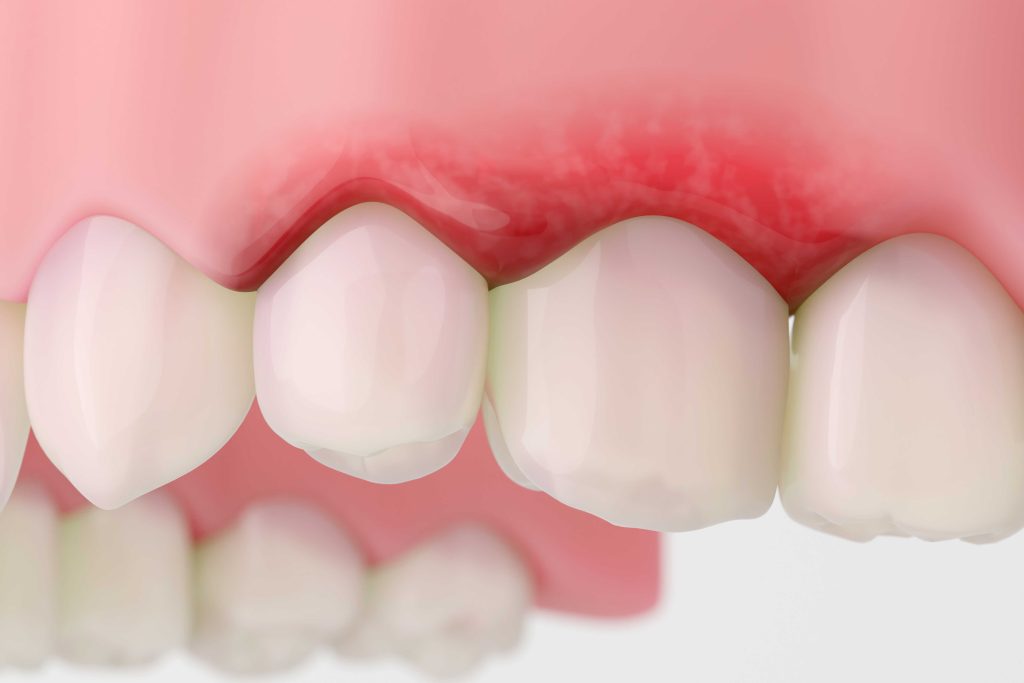
Receding gums happen when the gum tissue around the teeth gradually pulls back or wears away, exposing more of the tooth than normal. In more advanced cases, the root surface can become visible. Since roots are not protected by enamel in the same way as the top part of the tooth, they are more vulnerable to sensitivity, wear, and decay.
One reason gum recession is so important is that it does not just affect how your smile looks. The gums are part of the support system that helps protect your teeth. When the gumline moves downward, the tooth becomes more exposed and often more vulnerable to irritation from hot drinks, cold foods, aggressive brushing, and plaque build-up. At Star Light Dental, we treat gum recession as both a health issue and a quality-of-life issue because it can affect comfort, appearance, and long-term oral stability.
2. What Causes Gum Recession?
There is no single cause of gum recession. In many cases, it develops because of a combination of factors acting over time. Some people are more prone to it due to genetics or naturally thinner gum tissue, while others develop recession because of habits or oral health conditions that put too much pressure on the gums.
Common causes of receding gums include:
- Gum disease and chronic inflammation
- Brushing too hard or using the wrong brushing technique
- Teeth grinding or jaw clenching
- Poor tooth alignment or bite pressure
- Smoking or vaping
- Plaque and tartar build-up
- Thin or delicate gum tissue
At Star Light Dental, one of the most important parts of treatment is identifying the underlying cause. That matters because treating the recession alone is not enough if the reason behind it is still ongoing. For example, if someone has gum recession caused by aggressive brushing, changing their home-care technique is essential. If the recession is linked to grinding or bite pressure, then protecting the teeth and gums from ongoing force becomes part of the plan.
3. What Are the Signs of Receding Gums?
Many people only notice gum recession once their teeth begin to look longer than before or become more sensitive. Others first become aware of it when they feel a notch near the gumline or notice discomfort while brushing. Because gum recession often develops gradually, it is easy to miss in the early stages unless a dentist points it out during an examination.
Signs that may suggest gum recession include:
- Teeth looking longer than they used to
- Sensitivity to cold, heat, or sweet foods
- A visible root surface near the gumline
- Small notches or grooves near the gums
- Tenderness when brushing
- Gums that appear uneven
- More food trapping between teeth
At Star Light Dental, these signs are taken seriously because gum recession can worsen over time if it is not managed properly. The earlier it is identified, the more options there are to slow it down, protect the exposed areas, and reduce further damage.
4. Can Receding Gums Grow Back on Their Own?
One of the most common questions patients ask is, can gums grow back? In most cases, gum tissue that has already receded does not naturally grow back on its own. This is why early intervention is so important. Once the gum has pulled away, the focus shifts toward stopping further recession, protecting the exposed tooth structure, and deciding whether any additional treatment is needed to improve coverage or comfort.
That does not mean nothing can be done. At Star Light Dental, treatment is often very effective at slowing the progression, reducing sensitivity, and improving the health of the gums around the affected teeth. In some situations, patients may also be referred for more advanced periodontal treatment if the recession is severe or if gum grafting is being considered. The key point is that recession should not simply be ignored in the hope that it will reverse by itself.
5. How Does Star Light Dental Treat Gum Recession?
Treatment depends on the cause, the severity, and whether the recession is actively progressing. For some patients, the priority is reducing inflammation and improving gum health. For others, the focus is on preventing wear to the exposed root surface or easing sensitivity. Every case is different, which is why a personalised approach matters.
Treatment options may include:
- Professional cleaning to reduce plaque and tartar
- Advice on brushing technique and toothbrush choice
- Desensitising products for exposed roots
- Monitoring gum levels over time
- Night guards if grinding is contributing
- Periodontal management if gum disease is involved
At Star Light Dental, we look at the full picture rather than treating gum recession as a single isolated issue. If the recession is linked to brushing habits, bite pressure, or gum disease, those factors are addressed as part of the plan. This helps reduce the chance of the problem continuing to worsen after treatment.
6. How Can You Protect Your Gums in the Future?
Preventing further gum recession usually comes down to consistent, gentle care and early professional attention. Small changes in daily habits can make a major difference over time, especially when gum tissue is already delicate or beginning to pull back.
Helpful ways to protect your gums include:
- Brush gently with a soft-bristled toothbrush
- Avoid scrubbing back and forth along the gumline
- Floss carefully without snapping into the gums
- Attend regular dental check-ups
- Treat gum disease early if it develops
- Wear a night guard if you grind your teeth
- Avoid smoking and vaping where possible
At Star Light Dental, preventive care is a major part of managing gum recession. The aim is not only to treat what is already happening, but also to preserve the health of the gums you still have. For many patients, that early support makes a big difference in avoiding future sensitivity, further exposure, and more complex treatment down the line.
Don’t Wait—Prioritize Your Smile Today!
Receding gums are more than a cosmetic concern. They can affect comfort, tooth sensitivity, and the long-term protection of your smile. At Star Light Dental, we help patients understand what is causing their gum recession, how to stop it from progressing, and what treatment options are available to protect their teeth and gums. If you have noticed longer-looking teeth, increased sensitivity, or changes around your gumline, getting it checked early can make a real difference to your long-term oral health.
Book your appointment today and discover why Star Light Dental is Prestons’ trusted choice for quality dental care. Call us or book online—it’s time to make your smile a priority!