
White Spots on Teeth: What They Mean and When You Should Be Concerned
- Star Light Dental
- December 27, 2025
- [email protected]
White spots on teeth can be easy to dismiss at first, especially if they do not cause pain. Many people notice them in photos, after teeth whitening, or when looking closely in the mirror and assume they are only a cosmetic issue. At Star Light Dental, we often see patients who are surprised to learn that these white marks can sometimes be an early sign that the enamel has been affected. In some cases, the cause is minor and manageable. In others, the spots may point to early enamel weakness, past mineral loss, or a change in the tooth surface that should be examined properly.
This topic is valuable because people commonly search for answers when they notice unusual changes in the appearance of their teeth. White spots often trigger concern because they can stand out more after whitening or become more visible as the teeth dry out. Understanding what causes them and when treatment may be needed can help patients act earlier and protect the long-term health of their smile.
1. What Are White Spots on Teeth?
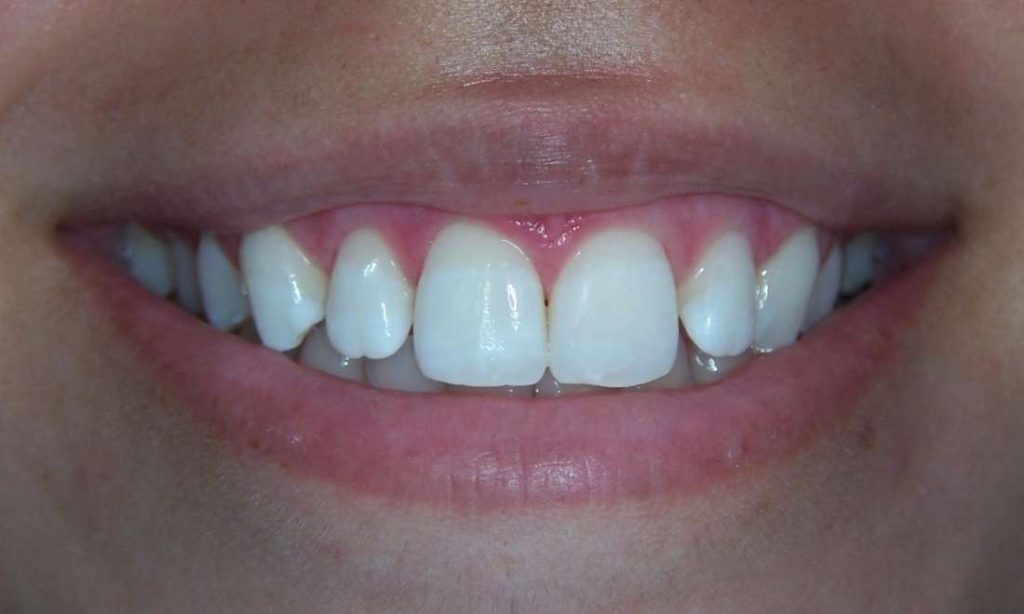
White spots are areas of the tooth that look lighter or chalkier than the surrounding enamel. They can appear as faint cloudy patches or more defined marks and may affect one tooth or several. What makes them noticeable is that they reflect light differently from healthy enamel, which is why they can stand out so clearly once someone becomes aware of them.
At Star Light Dental, we explain that white spots are not all the same. Some are linked to the way the enamel developed, while others are caused by changes that happened later, such as plaque sitting on the teeth too long or early mineral loss. This is why it is important not to assume the cause based on appearance alone. A proper examination helps determine whether the spot is mainly cosmetic or whether it reflects a deeper issue that should be addressed.
2. What Causes White Spots on Teeth?
There are several reasons white spots can appear, and the cause often depends on when the enamel was affected. In some cases, the spots formed while the tooth was developing. In others, they appear later because the enamel has started to lose minerals. This process is especially important because it can be an early stage of tooth damage before a full cavity forms.
Common causes of white spots include:
- Early enamel demineralisation
- Plaque build-up around braces or hard-to-clean areas
- Fluoride-related changes during tooth development
- Dry mouth and reduced saliva protection
- Diets high in acidic or sugary foods and drinks
- Enamel defects that formed while the tooth was developing
At Star Light Dental, one of the most common causes we see is early demineralisation. This happens when acids from plaque begin drawing minerals out of the enamel. The tooth may not have a visible cavity yet, but the enamel has already started to weaken. That is why white spots can be a warning sign, not just a cosmetic concern.
3. Are White Spots a Sign of Tooth Decay?
Not every white spot means active tooth decay, but some can be an early sign that the enamel has been under attack. This is especially true when the white area looks chalky, dull, or rough compared with the surrounding tooth. If the minerals are not restored and plaque continues to build up in that area, the surface may weaken further and eventually turn into a cavity.
At Star Light Dental, we take these spots seriously because early action can often make a big difference. If the issue is caught early enough, it may be possible to strengthen the enamel and prevent further damage without needing a filling. This is one of the reasons regular dental check-ups are so important. They allow subtle enamel changes to be found before the tooth reaches the point where more invasive treatment is needed.
4. Why White Spots Often Appear After Braces
One of the most common times people notice white spots is after orthodontic treatment. Braces create extra areas where plaque can collect, especially around brackets and near the gumline. If those areas are not cleaned thoroughly over time, the enamel can begin to lose minerals, leaving behind white marks once the braces come off. This can be frustrating because the teeth may be straighter, but the enamel no longer looks even.
At Star Light Dental, we often remind patients that braces do not cause white spots by themselves. The issue usually comes from plaque sitting around the brackets for too long. This is why good brushing, flossing, and professional monitoring during orthodontic treatment are so important. Once the spots are there, the next step is deciding whether they are likely to improve with remineralisation or whether cosmetic treatment may be needed to blend them more effectively.
5. How Star Light Dental Assesses and Treats White Spots
When a patient visits Star Light Dental about white spots on teeth, the first step is identifying the cause. That helps determine whether the main priority is strengthening the enamel, improving appearance, or doing both. Some white spots are stable and mostly cosmetic. Others suggest active enamel weakness that still needs preventive attention.
Depending on the cause, treatment options may include:
- Monitoring the area over time
- Improving home care and plaque control
- Fluoride-based support for enamel
- Remineralisation strategies
- Professional cleaning if plaque build-up is contributing
- Cosmetic treatments if the appearance is the main concern
The right treatment depends on whether the enamel is still vulnerable and how noticeable the spot is to the patient. At Star Light Dental, the goal is not to jump straight to the most aggressive option. It is to protect the tooth first, then improve appearance in a way that suits the patient’s needs and the condition of the enamel.
6. How to Reduce the Risk of White Spots in the Future
Preventing white spots often comes back to protecting the enamel from repeated acid attacks and plaque build-up. Consistent oral hygiene, a lower frequency of sugary snacks and acidic drinks, and regular dental care all help reduce the risk. This is especially important for patients wearing braces, dealing with dry mouth, or already showing signs of early enamel weakness.
Helpful prevention habits include:
- Brushing carefully twice a day with fluoride toothpaste
- Cleaning thoroughly around crowded teeth or braces
- Reducing frequent sugary and acidic snacks
- Drinking more water during the day
- Attending regular dental check-ups
- Getting early advice if you notice new white marks forming
At Star Light Dental, prevention is a major part of treatment because it is always better to protect enamel early than wait for a small white spot to progress into something more serious. When patients understand what these spots mean, they are in a much stronger position to preserve both the health and appearance of their teeth.
Don’t Wait—Prioritize Your Smile Today!
White spots on teeth may seem small, but they can reveal important information about the health of your enamel. In some cases, they are mostly cosmetic. In others, they are an early sign that the tooth needs support before more damage occurs. At Star Light Dental, we help patients understand the cause of white spots, protect their enamel, and choose the right treatment for both health and appearance. If you have noticed white marks on your teeth, getting them assessed early can help you avoid bigger problems later.
Book your appointment today and discover why Star Light Dental is Prestons’ trusted choice for quality dental care. Call us or book online—it’s time to make your smile a priority!