
How Smoking and Vaping Affect Your Teeth, Gums, and Breath
- Star Light Dental
- November 15, 2025
- [email protected]
Smoking and vaping are often discussed in terms of lung and general health, but their effect on the mouth is significant as well. At Star Light Dental, this matters because many patients first notice the oral signs before anything else including bad breath, stained teeth, dry mouth, bleeding gums, or slower healing after dental treatment. The Australian Dental Association’s consumer site says smoking increases the risk of gum disease, tooth loss, complications after dental treatment, and oral cancer, while Healthdirect lists smoking and vaping among factors that increase the risk of mouth cancer.
1. Why Smoking and Vaping Affect the Mouth So Quickly
The mouth is one of the first places exposed to smoke, vapour, nicotine, heat, and chemicals, so it often shows early signs of damage. Smoking can affect saliva, healing, and the health of the gums, while vaping is also linked to oral health concerns such as dryness, plaque build-up, gum problems, and staining. The ADA’s oral health information notes that smoking can make the mouth dry and affect saliva, and an NHS source on vaping and oral health explains that dry mouth from vaping can increase the risk of plaque, bad breath, and gum disease.
At Star Light Dental, this is important because patients may not connect these changes to tobacco or vape use right away. They may think they simply have “sensitive gums” or recurring bad breath, when the underlying issue is that the oral environment is being constantly stressed. The more often the mouth is exposed, the harder it becomes for saliva, gums, and soft tissues to protect the teeth the way they normally should.
2. Staining, Bad Breath, and Dry Mouth Are Often the Earliest Signs
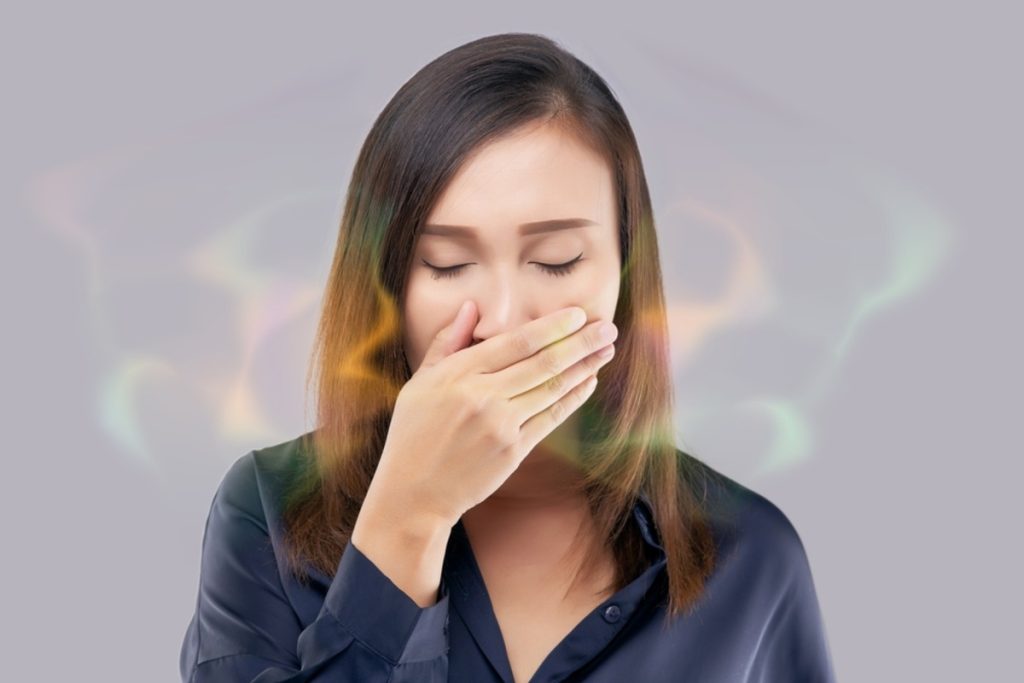
One of the most visible effects of smoking is staining. The ADA notes that smoking can stain teeth and turn them yellow, while also causing bad breath and changes to taste. Smoking can also reduce saliva and make the mouth dry, which matters because low saliva allows odour-causing bacteria to thrive more easily. That combination is why searches like stained teeth from smoking, smoker’s breath, and dry mouth from vaping are so common.
Common early oral effects include:
- Yellow or brown tooth staining
- Persistent bad breath
- Dry mouth or sticky saliva
- Reduced taste enjoyment
- More plaque build-up
- Irritated oral tissues
At Star Light Dental, these are often the signs that bring patients in first. While cosmetic concerns like staining are important, they are also a useful warning signal that the mouth may be under wider stress. If smoking or vaping is also causing dry mouth, the risk of decay, plaque retention, and ongoing breath problems becomes much higher over time.
3. Smoking and Vaping Can Increase the Risk of Gum Disease and Tooth Loss
One of the biggest long-term risks is gum disease. The CDC states that smoking is an important cause of severe gum disease, and the ADA notes that smoking increases the risk of severe periodontitis and tooth loss. Gum disease can progress quietly, damaging the bone and tissues that hold teeth in place, and by the time it becomes obvious, the damage may already be advanced.
Risk-related signs and outcomes may include:
- Bleeding or swollen gums
- Gum recession
- Bone loss around teeth
- Loose teeth
- Teeth shifting
- Eventual tooth loss if disease progresses
At Star Light Dental, this is especially important because smoking can also make gum problems harder to notice early. The ADA points out that early signs like bleeding gums can be less obvious in smokers because blood flow to the gums is reduced. That means patients may wrongly assume their gums are healthy when, in reality, the disease is simply being masked.
4. Smoking Can Slow Healing and Complicate Dental Treatment
Another issue patients often underestimate is healing. The ADA states that smoking can cause sores inside the mouth to heal slowly because of reduced blood flow to the gums, and it also advises avoiding smoking for as long as possible after a tooth extraction because it increases the risk of dry socket. This matters not only after extractions, but also after many other dental procedures where healthy healing supports the final outcome.
This is why smoking and vaping can affect more than day-to-day oral health. They may also influence how well treatments succeed over time, especially when the mouth is already dealing with inflammation or low saliva. For Star Light Dental patients, this is a major reason we discuss smoking and vape use as part of treatment planning rather than treating it as unrelated background information. Good dentistry is not only about fixing the tooth in front of us — it is about improving the environment around it so the result lasts.
5. Oral Cancer Risk Is Another Reason These Habits Should Not Be Ignored
Smoking and vaping are also relevant to oral cancer risk. Healthdirect lists smoking and vaping among factors that increase the risk of mouth cancer, and the ADA notes that tobacco use raises the risk of oral cancer. These risks are especially important because oral cancer may not always cause pain in the early stages, which is why routine dental examinations play an important role in checking the mouth for suspicious changes.
At Star Light Dental, routine examinations are not only about teeth and fillings. They also involve looking at the broader health of the mouth, including gums, tongue, cheeks, and other soft tissues. For patients who smoke or vape, regular dental visits become even more important because early detection and early intervention can make a major difference.
6. How Star Light Dental Helps Patients Reduce the Oral Damage
At Star Light Dental, the approach is practical and non-judgmental. We help patients understand how smoking and vaping are affecting their teeth, gums, breath, and treatment outcomes, and we build care plans around what is actually happening in the mouth right now. For some patients, the immediate focus is on plaque and gum inflammation. For others, it is dry mouth, staining, repeated decay, or healing concerns after treatment. The ADA notes that quitting smoking can improve oral health significantly, even after smoking for a long time, and Healthdirect similarly says quitting smoking and vaping improves health and reduces health risks.
Steps that often help include:
- Regular dental check-ups and cleans
- Early treatment of gum disease
- Support for managing dry mouth
- Monitoring soft tissues and oral health changes
- Advice on protecting teeth from staining and decay
- Encouragement to seek quit support when ready
The goal is not perfection overnight. It is progress that protects the mouth from further damage and improves long-term outcomes. Even reducing exposure and improving preventive care can make an important difference, and quitting offers the greatest oral health benefit of all.
Don’t Wait—Prioritize Your Smile Today!
Smoking and vaping can affect much more than the appearance of your teeth — they can change your breath, your saliva, your gums, your healing, and your long-term oral health risk. At Star Light Dental, we help patients recognise these effects early and create practical treatment plans that protect their smile while supporting better overall outcomes. If you smoke or vape and have noticed staining, bad breath, bleeding gums, dry mouth, or slower healing, addressing those changes early can make a real difference to the health and stability of your mouth.
Book your appointment today and discover why Star Light Dental is Prestons’ trusted choice for quality dental care. Call us or book online—it’s time to make your smile a priority!