
Do You Need a Dental Crown? Signs Your Tooth Needs More Than a Filling
- Star Light Dental
- November 11, 2025
- [email protected]
When a tooth is damaged, many people assume a filling will solve the problem. In some cases that is true, but when a tooth has lost too much strength or structure, a filling may not be enough to protect it for the long term. At Star Light Dental, one of the most important parts of treatment planning is deciding when a tooth can still be restored with a simple filling and when it needs the added protection of a dental crown. A crown covers the tooth like a cap and is commonly used to improve the appearance, function, and strength of a damaged or broken tooth.
1. What Is a Dental Crown and What Does It Actually Do?
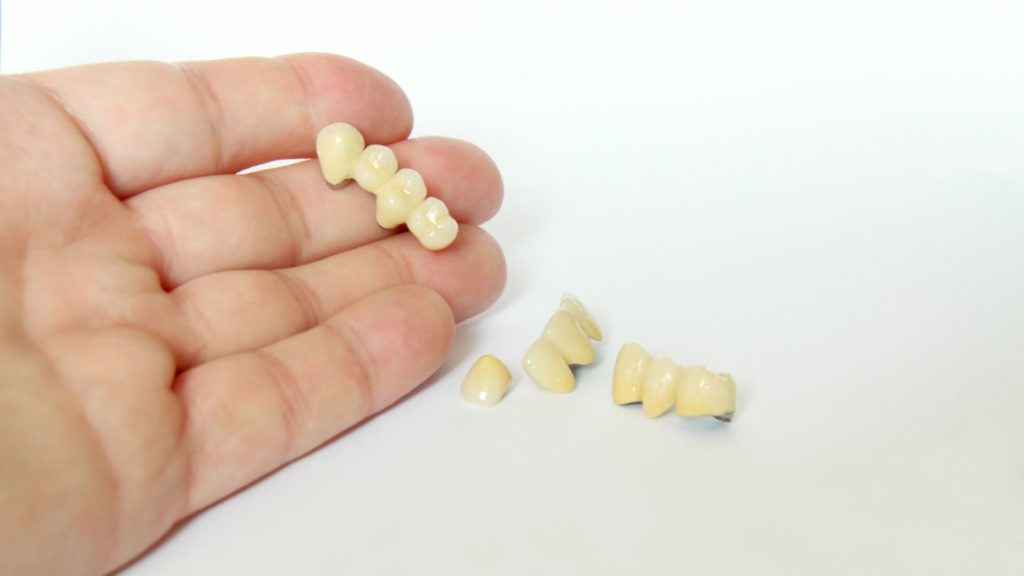
A dental crown is a custom-made cover placed over an existing tooth to restore its shape, strength, and function. Healthdirect explains that crowns are used to cover damaged or broken teeth, and they can be made from materials such as porcelain, zirconia, gold alloy, or porcelain fused to metal. Because a crown wraps around the visible part of the tooth, it provides far more structural support than a standard filling when the tooth has been weakened significantly.
At Star Light Dental, crowns are often recommended when the goal is not just to repair a tooth, but to help prevent it from breaking further under everyday chewing pressure. This is especially important for back teeth, which handle the strongest biting forces. While a filling replaces missing tooth structure in a smaller area, a crown is designed to reinforce the whole tooth when the damage is more extensive. NIDCR notes that fillings are generally used for smaller areas of decay or damage, while indirect restorations such as crowns are used for more substantial damage and often fully cover the tooth.
2. When Is a Filling No Longer Enough?
A filling works well when a tooth has a relatively small to moderate area of decay or damage. But once too much tooth structure has been lost, the remaining walls of the tooth can become fragile. In those cases, simply placing another filling may not provide enough support, and the tooth may continue to crack, wear down, or break. Healthdirect notes that crowns can make a damaged or broken tooth stronger and restore the way it functions.
Signs that a tooth may need a crown instead of a filling include:
-
A large cavity or large old filling
-
A cracked or fractured tooth
-
A tooth that has had root canal treatment
-
Repeated breakage around an existing filling
-
Significant tooth wear from grinding
-
A weak tooth that hurts when chewing
At Star Light Dental, this decision is based on how much healthy tooth remains, where the tooth is located, and how much pressure it has to withstand. A small chip on a front tooth is very different from a heavily restored molar that takes the full force of chewing. Choosing the right restoration early can help avoid repeated repairs and reduce the risk of a sudden break later on.
3. Common Situations Where Star Light Dental May Recommend a Crown
One of the most common reasons for a crown is a broken or cracked tooth. NHS guidance notes that chipped, broken, or cracked teeth should be seen by a dentist, and treatment may include smoothing, filling, or a crown depending on the extent of the damage. A crown is often the better option when the tooth is too weak for a simple repair, because it protects the remaining structure rather than only patching the damaged area.
Another common reason is after root canal treatment. Once the infected pulp is removed, the tooth is often more brittle than before and may need extra reinforcement. At Star Light Dental, this is why root canal therapy is often followed by a crown, particularly on back teeth. Crowns are also commonly recommended when an old filling keeps failing, when a tooth has worn down from grinding, or when the tooth needs both functional repair and cosmetic improvement at the same time. Healthdirect and NIDCR both describe crowns as restorations for more substantially damaged teeth rather than small isolated defects.
4. What Happens During a Dental Crown Procedure?
Many patients worry that getting a crown will be complicated, but the process is usually straightforward and carefully planned. Healthdirect explains that a dental crown procedure may take more than one visit. Typically, the tooth is first shaped so the crown can fit securely, impressions or digital scans are taken, and then a custom crown is made before being fitted into place.
At Star Light Dental, the process is designed to restore the tooth in a way that feels natural and functions comfortably. The crown is matched as closely as possible to the surrounding teeth, and the bite is adjusted so the restored tooth works properly without taking excessive pressure. Depending on the tooth and the level of damage, the treatment plan may also involve replacing old fillings, stabilising cracks, or rebuilding the tooth core first. The goal is not simply to “cap” the tooth, but to give it stable long-term protection.
5. How Long Do Dental Crowns Last and How Do You Look After Them?
Dental crowns are durable, but they do not last forever. NIDCR states that fillings and crowns generally do not last a lifetime and may need replacement over time. Their lifespan depends on factors such as oral hygiene, grinding habits, bite pressure, diet, and whether the surrounding tooth structure stays healthy.
To help a crown last as long as possible, Star Light Dental usually advises patients to:
-
Brush twice daily with fluoride toothpaste
-
Clean carefully around the gumline
-
Floss around the crowned tooth
-
Avoid chewing ice or very hard foods
-
Wear a night guard if you grind your teeth
-
Keep up with regular dental check-ups and cleans
Even though the crown itself cannot decay, the tooth underneath and around it still needs proper care. Healthdirect also notes that crowns can develop problems such as pain, poor fit, or breakage if they are not functioning well, which is why regular review matters.
6. Why Early Treatment Matters More Than Waiting for the Tooth to Break
One of the biggest mistakes patients make is waiting until a weak tooth becomes a dental emergency. A tooth that already shows signs of cracking, repeated filling failure, or heavy wear is often easier to restore before a major fracture happens. Once the tooth breaks deeply, treatment can become more invasive and the chance of saving it may drop. Healthdirect notes that broken teeth should be assessed by a dentist, and NHS guidance also advises prompt review for chipped, cracked, or broken teeth.
At Star Light Dental, the aim is always to preserve natural teeth wherever possible. Recommending a crown early is often a preventive decision, not an aggressive one. In many cases, it is the step that helps save a tooth from splitting further, needing root canal treatment, or being lost altogether. For patients searching terms like dental crown Sydney, cracked tooth crown, tooth crown procedure, or crown for broken tooth, the key point is simple: the earlier a weak tooth is assessed, the more options you usually have.
Don’t Wait—Prioritize Your Smile Today!
A dental crown is not just about covering a damaged tooth — it is about protecting what remains, restoring strength, and helping you avoid more serious treatment later. At Star Light Dental, crowns are recommended when a tooth needs long-term support that a filling alone cannot provide. If you have a cracked tooth, a large old filling, or a tooth that keeps breaking down, getting it assessed early can make the difference between a predictable repair and a much bigger dental problem.
Book your appointment today and discover why Star Light Dental is Prestons’ trusted choice for quality dental care. Call us or book online—it’s time to make your smile a priority!