
Dry Mouth and Your Oral Health: Why It Shouldn’t Be Ignored
- Star Light Dental
- November 08, 2025
- [email protected]
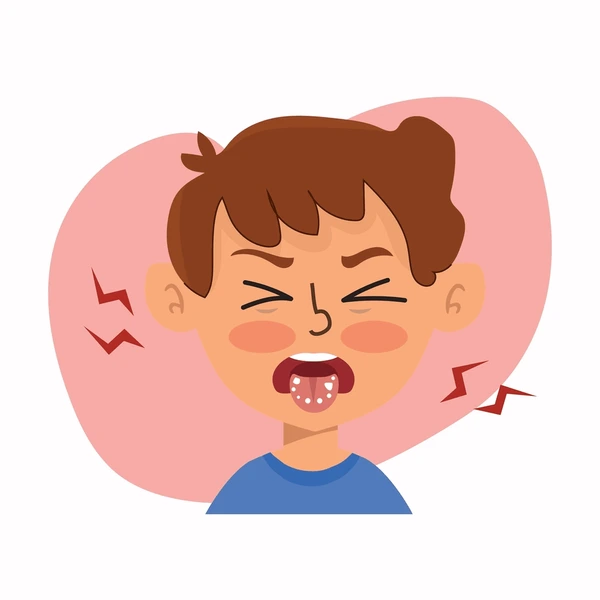
A dry mouth might seem like a minor annoyance at first, but when it becomes frequent or persistent, it can have a serious effect on oral health. Dry mouth, also known as xerostomia, happens when the mouth does not produce enough saliva to stay properly moist. Healthdirect notes that dry mouth can lead to tooth decay, mouth ulcers, oral thrush, and broader health problems, while NIDCR explains that saliva helps keep harmful germs in check and supports chewing, swallowing, and speaking. At Star Light Dental in Prestons, dry mouth is something we take seriously because it often sits behind other problems patients notice first, such as bad breath, sensitivity, increased cavities, or discomfort when eating.
1. What Is Dry Mouth and Why Does Saliva Matter So Much?
Saliva does much more than keep the mouth comfortable. It helps wash away food particles, neutralise acids, protect enamel, support digestion, and reduce the growth of harmful bacteria and fungi. When saliva flow drops, the mouth loses one of its main natural defence systems. That is why constant dry mouth is not just a comfort issue — it is often a direct risk factor for tooth decay, gum irritation, oral infections, and difficulty wearing dentures or speaking normally. At Star Light Dental, we often explain to patients that saliva is one of the most underrated parts of oral health because people only notice its importance once it is missing.
A person with dry mouth at night or throughout the day may notice more than just thirst. The mouth may feel sticky, the tongue may feel rough, food may become harder to swallow, and the lips or corners of the mouth may become uncomfortable. Healthdirect and the NHS both describe dry mouth as something that can interfere with normal daily function, not just a passing inconvenience. That is why ongoing symptoms should be assessed instead of simply masked with water or mints.
2. What Causes Dry Mouth?
There is no single cause of dry mouth syndrome, which is why proper assessment matters. According to Healthdirect and the NHS, common causes include dehydration, medicines, anxiety, mouth breathing during sleep, cancer treatment, and some medical conditions. NIDCR also notes that hundreds of medicines can reduce saliva production, including drugs commonly used for blood pressure, depression, and other chronic conditions. That makes medication-related dry mouth causes one of the most important factors for adults experiencing new symptoms.
Common causes of dry mouth include:
Dehydration
Side effects from medicines
Mouth breathing during sleep
Anxiety or stress
Radiotherapy or chemotherapy
Oral thrush
Autoimmune conditions such as Sjögren’s disease
Diabetes or salivary gland problems
At Star Light Dental, we look at dry mouth in context rather than assuming there is one simple explanation. For some patients, the issue is strongest at night because of blocked nasal breathing or sleeping with the mouth open. For others, the problem has developed slowly due to medication changes, ongoing health conditions, or a combination of factors. Understanding that cause matters because xerostomia treatment works best when it addresses both the symptoms and the reason saliva has dropped in the first place.
3. Signs That Dry Mouth Is Starting to Affect Your Teeth and Gums
Many patients search for dry mouth treatment only after the condition has already started affecting their oral health. The first warning signs are often subtle: sticky saliva, a dry or burning feeling in the mouth, trouble swallowing dry foods, or waking up with a very dry throat. Over time, the symptoms can expand into dry mouth and bad breath, sore tissues, altered taste, or an ongoing feeling that the mouth never feels fresh. Healthdirect specifically links dry mouth with tooth decay, mouth ulcers, oral thrush, and other oral problems.
Some of the most common signs include:
A sticky, dry, or rough feeling in the mouth
Difficulty chewing, swallowing, or speaking
Bad breath that keeps returning
More plaque build-up than usual
Mouth ulcers or oral thrush
Increased tooth sensitivity
Waking up with a dry mouth or throat
A burning feeling on the tongue or oral tissues
At Star Light Dental, these symptoms matter because they often point to more than discomfort. A patient may come in thinking the main issue is bad breath or repeated cavities, but the underlying cause may actually be reduced saliva. Once saliva is no longer doing its protective job properly, the mouth becomes far more vulnerable to damage that can develop quietly and repeatedly.
4. How Dry Mouth Increases the Risk of Cavities, Gum Problems, and Infections
One of the biggest reasons dry mouth and tooth decay are so strongly linked is because saliva normally helps neutralise acids and wash bacteria away from the tooth surface. Without enough saliva, acids stay active for longer, plaque builds more easily, and enamel has less support. NIDCR states that dry mouth increases the risk of tooth decay and fungal infections, while Healthdirect notes that oral health can be significantly affected when saliva is reduced. This is why patients with persistent dry mouth often seem to get more cavities even when they feel like they are brushing properly.
Dry mouth can increase the risk of:
More frequent cavities
Gum irritation and inflammation
Oral thrush
Mouth ulcers
Bad breath
Difficulty wearing dentures comfortably
Problems with eating, tasting, and speaking
For Star Light Dental patients, this makes early intervention especially important. A person with constant dry mouth may not always feel severe pain, but the damage can build over time if saliva remains low. The longer the mouth stays dry, the more likely it is that preventable issues such as enamel wear, recurrent decay, and sore oral tissues will begin to appear.
5. How Star Light Dental Approaches Dry Mouth Treatment
At Star Light Dental, we do not treat dry mouth treatment as a one-size-fits-all issue. The first step is understanding what the patient is experiencing, how often it happens, whether it is worse during the day or night, and what oral health changes are already showing up. We look for signs such as new decay, irritated gums, oral soreness, and plaque patterns that suggest saliva is no longer protecting the mouth effectively. That clinical picture helps us decide whether the focus should be on prevention, symptom relief, restorative care, or all three.
Depending on the cause and severity, treatment planning may involve:
Preventive care to reduce cavity risk
Fluoride-based protection for enamel
Advice on saliva substitutes or moisturising products
Monitoring for dry mouth-related decay
Reviewing oral hygiene methods for a low-saliva mouth
Coordinating with the patient’s doctor when medicine-related dry mouth is suspected
This personalised approach matters because xerostomia treatment is often about managing the environment of the mouth, not just temporarily making it feel less dry. A patient may need stronger preventive support if they are already developing repeated cavities, while another may need practical strategies to reduce dry mouth at night and protect their teeth while they sleep. At Star Light Dental, the goal is always to reduce risk, improve comfort, and stop dry mouth from turning into larger dental problems.
6. What You Can Do at Home to Manage Dry Mouth More Effectively
Home care plays a major role in managing dry mouth causes and treatment. Healthdirect recommends lifestyle changes and saliva-support strategies, while NIDCR suggests practical measures such as frequent sips of water, sugar-free gum or lozenges, avoiding tobacco and alcohol, and using a humidifier at night. These are useful because they either help stimulate saliva, reduce further drying, or make the mouth less vulnerable to irritation and decay.
Helpful dry mouth habits include:
Sip water regularly throughout the day
Use sugar-free gum or lozenges to stimulate saliva
Avoid tobacco and reduce alcohol
Limit overly salty or spicy foods if they irritate the mouth
Use a humidifier if dry mouth is worse at night
Keep up with regular dental check-ups
Ask about saliva substitutes if symptoms persist
At Star Light Dental, we guide patients toward routines that protect their teeth, gums, and comfort level over the long term. The most important thing is not to ignore persistent symptoms. Dry mouth and bad breath, repeated cavities, or waking up with a sticky mouth every morning are all signs that the issue deserves more than a temporary fix. With the right support, many patients can greatly reduce the impact of dry mouth on their daily life and oral health.
Don’t Wait—Prioritize Your Smile Today!
Dry mouth is more than an uncomfortable feeling — it is a condition that can quietly increase the risk of decay, infection, bad breath, and long-term oral health problems if it is left unmanaged. At Star Light Dental, we help patients identify the real cause of dry mouth, protect their teeth from unnecessary damage, and build a practical treatment plan that supports both comfort and prevention. If you have been dealing with constant dry mouth, dry mouth at night, or repeated dental issues linked to low saliva, addressing it early can make a major difference to the health and stability of your smile.
Book your appointment today and discover why Star Light Dental is Prestons’ trusted choice for quality dental care. Call us or book online—it’s time to make your smile a priority!