
Why Are My Gums Bleeding? What It Means and When to See a Dentist
- Star Light Dental
- October 15, 2025
- [email protected]
Bleeding gums are one of the most commonly ignored warning signs in oral health. Many people assume that a small amount of blood when brushing or flossing is normal, especially if it only happens occasionally. In reality, gums that bleed easily are often telling you that something is wrong beneath the surface.
At Star Light Dental in Prestons, patients often ask whether bleeding gums are caused by brushing too hard, flossing incorrectly, or simply having “sensitive gums.” While those factors can sometimes contribute, bleeding is frequently linked to plaque build-up, gum inflammation, or early gum disease that needs professional attention. Healthdirect notes that bleeding gums are commonly caused by gum disease, and the ADA has specifically described bleeding gums as a red flag rather than something to overlook.
1. Why Do Gums Bleed When Brushing or Flossing?
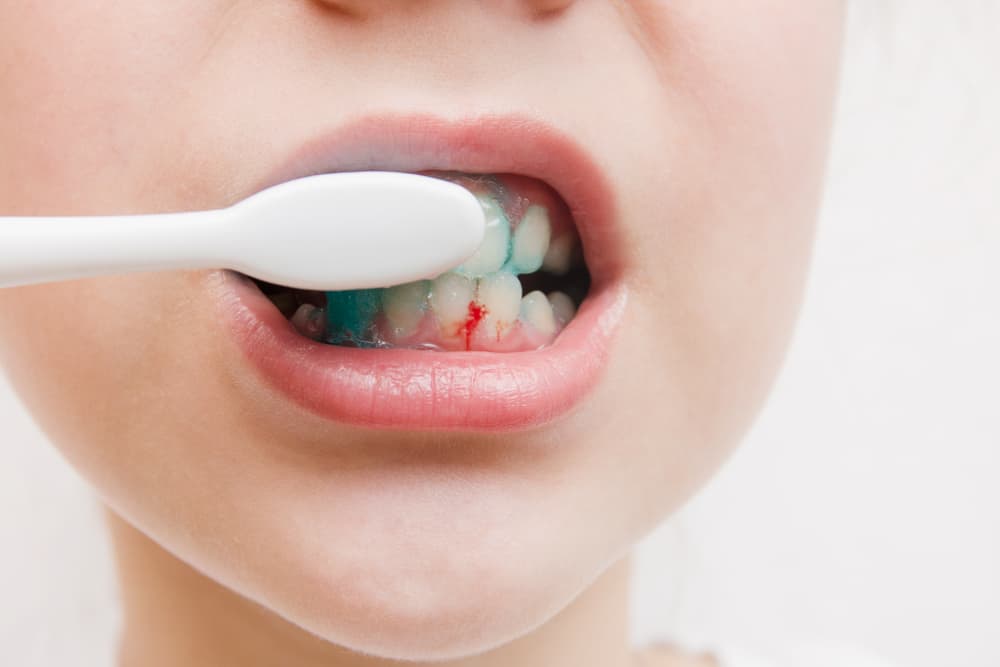
When gums are healthy, they should not bleed during normal brushing or flossing. Bleeding usually happens because plaque has built up around the gumline, irritating the tissue and triggering inflammation. This early stage of gum disease is known as gingivitis, and it often causes redness, swelling, tenderness, and bleeding during daily cleaning. One reason people get confused is that bleeding may seem to happen more when they start flossing again, but that does not mean flossing is the problem — it usually means the gums were already inflamed and are reacting to contact. Healthdirect states that gingivitis occurs when plaque builds up along the gumline and can cause gums to bleed and swell, while NHS guidance similarly describes gum disease as causing red, swollen, sore gums that bleed.
Some common reasons patients notice gums bleeding when brushing include:
Plaque build-up around the gumline
Inconsistent flossing
Poor brushing technique
Hardened tartar that cannot be removed at home
Smoking or vaping
Dry mouth
Existing gum disease
At Star Light Dental, we explain this clearly to patients because many people stop flossing when they see blood, which often makes the underlying inflammation worse instead of better. Healthdirect and other clinical guidance note that plaque and calculus removal, plus consistent brushing and flossing, are central to treatment and prevention.
2. Bleeding Gums Can Be an Early Sign of Gum Disease
One of the most important things to understand is that bleeding gums treatment is not only about stopping bleeding — it is about treating the cause. In many cases, bleeding is the earliest visible sign of gum disease symptoms. Gingivitis is the mild, early form, and if treated early, it can often be reversed. But if plaque and inflammation are allowed to continue, the condition can develop into periodontitis, which affects the deeper supporting structures around the teeth. This can lead to gum recession, loose teeth, bone loss, and much more complex treatment. Healthdirect describes gingivitis as a common, mild form of gum disease caused by plaque at the gumline and notes that if not treated, it can progress to a more severe form of gum disease.
This is why Star Light Dental encourages patients not to self-diagnose or wait for pain before booking. Gum disease often progresses quietly. Unlike a toothache, it may not cause sharp pain in the early stages, which makes it easier to ignore. Unfortunately, that silence is exactly what allows the condition to worsen. The NHS and Healthdirect both emphasise that gum disease is common, important to have checked, and easier to manage when identified early.
3. Other Symptoms That Often Appear Alongside Bleeding Gums
Bleeding is rarely the only sign that something is wrong. Patients dealing with gingivitis treatment or more advanced periodontitis symptoms often notice a combination of changes in how their gums feel, look, or smell. The problem is that these symptoms tend to appear gradually, so many people normalise them until they become more obvious. At Star Light Dental, we look for the full pattern of gum inflammation rather than focusing on one symptom alone. Healthdirect and NHS sources describe common gum disease signs including red or swollen gums, bleeding, soreness, and bad breath.
Signs that often appear with bleeding gums include:
Red or swollen gums
Bad breath that does not improve
Tenderness around the gumline
Gum recession
A bad taste in the mouth
Increased tooth sensitivity
Teeth feeling slightly loose in more advanced cases
These symptoms matter because they help indicate whether the issue is mild and reversible or whether it is progressing into deeper periodontal damage. Catching that progression early is one of the biggest reasons regular dental checks at Star Light Dental are so valuable.
4. How Star Light Dental Treats Bleeding Gums
When patients come to Star Light Dental for bleeding gums treatment, the first step is identifying exactly why the bleeding is happening. That usually means checking the gums closely, measuring areas of inflammation, assessing plaque and tartar build-up, and looking for signs that gum disease has moved beyond the early stage. If tartar has formed, no amount of home brushing will remove it — professional cleaning is needed. Healthdirect specifically notes that the main treatment for gum disease is removal of plaque and calculus by a dental professional, and its teeth-cleaning guidance also says bleeding when brushing, flossing, or eating is a sign of gum disease that may be reversible in the early stage with treatment and proper oral care.
Depending on the condition of the gums, treatment may include:
A professional scale and clean
Removal of plaque and tartar along the gumline
Personalised oral hygiene advice
Monitoring of gum health over time
More intensive periodontal care if the disease is advanced
At Star Light Dental, we do not treat gum bleeding as a cosmetic issue. We treat it as a sign that the health of the gums needs to be restored properly. That approach helps stop the bleeding, reduce inflammation, and protect the long-term stability of the teeth.
5. What You Can Do at Home to Improve Bleeding Gums
Professional treatment is important, but home care plays a major role in recovery. Patients often expect the answer to be “brush less where it bleeds,” but in many cases the opposite is true: the gums need better plaque control, not avoidance. Done correctly and gently, daily oral hygiene gives inflamed gums the chance to heal. Health guidance on bleeding gums and gum disease consistently points to regular brushing and flossing as part of treatment and prevention, even when bleeding is present.
Helpful steps include:
Brush twice daily with a soft-bristled toothbrush
Floss gently but consistently
Use proper brushing technique rather than brushing harder
Keep up with regular dental cleanings
Reduce smoking or vaping
Stay hydrated to support saliva flow
Avoid ignoring persistent bleeding
At Star Light Dental, we tailor this advice to each patient because the right home-care routine depends on what is actually causing the problem. Someone with early gingivitis may improve quickly with cleaning and better technique, while someone with deeper periodontal issues may need more structured ongoing care. The key is not guessing — it is getting the gums assessed and then following a plan that fits your mouth.
6. When You Should Book a Dentist for Bleeding Gums
If your gums bleed repeatedly, even if it seems mild, it is worth having them checked. Waiting until the bleeding gets worse, the gums recede, or the teeth begin to feel sensitive or loose creates a much bigger problem than addressing it early. At Star Light Dental, we encourage patients to book as soon as they notice ongoing bleeding because the earlier gum issues are treated, the simpler and more predictable the outcome usually is. Healthdirect advises that bleeding from the gums can be caused by gum disease and outlines dental assessment and cleaning as key parts of treatment, while the ADA has publicly highlighted that many Australians underestimate gum health despite its importance.
You should especially book an appointment if you notice:
Bleeding that keeps happening for more than a few days
Swollen or painful gums
Ongoing bad breath
Gum recession
A bad taste in the mouth
Loose teeth or changing bite feel
Search terms like why do my gums bleed, swollen gums treatment, gums bleeding when brushing, and dentist for bleeding gums often come from patients who are already looking for real answers. This is exactly where Star Light Dental can help — by diagnosing the cause early and creating a treatment plan that protects both your gums and your long-term oral health.
Don’t Wait—Prioritize Your Smile Today!
Bleeding gums should never be brushed off as something minor or normal. In many cases, they are the earliest visible sign that your gums need professional care, and addressing the issue early can prevent far more serious problems later. At Star Light Dental, we help patients move beyond temporary fixes by identifying the real cause of bleeding, treating inflammation properly, and restoring long-term gum health. If your gums are bleeding when you brush or floss, taking action now can protect your smile, your comfort, and the strength of your teeth for years to come.
Book your appointment today and discover why Star Light Dental is Prestons’ trusted choice for quality dental care. Call us or book online—it’s time to make your smile a priority!